
Constructing Probabilistic Playgrounds: The Role of Networked Pathways in Curating Futuristic Wagering Collections
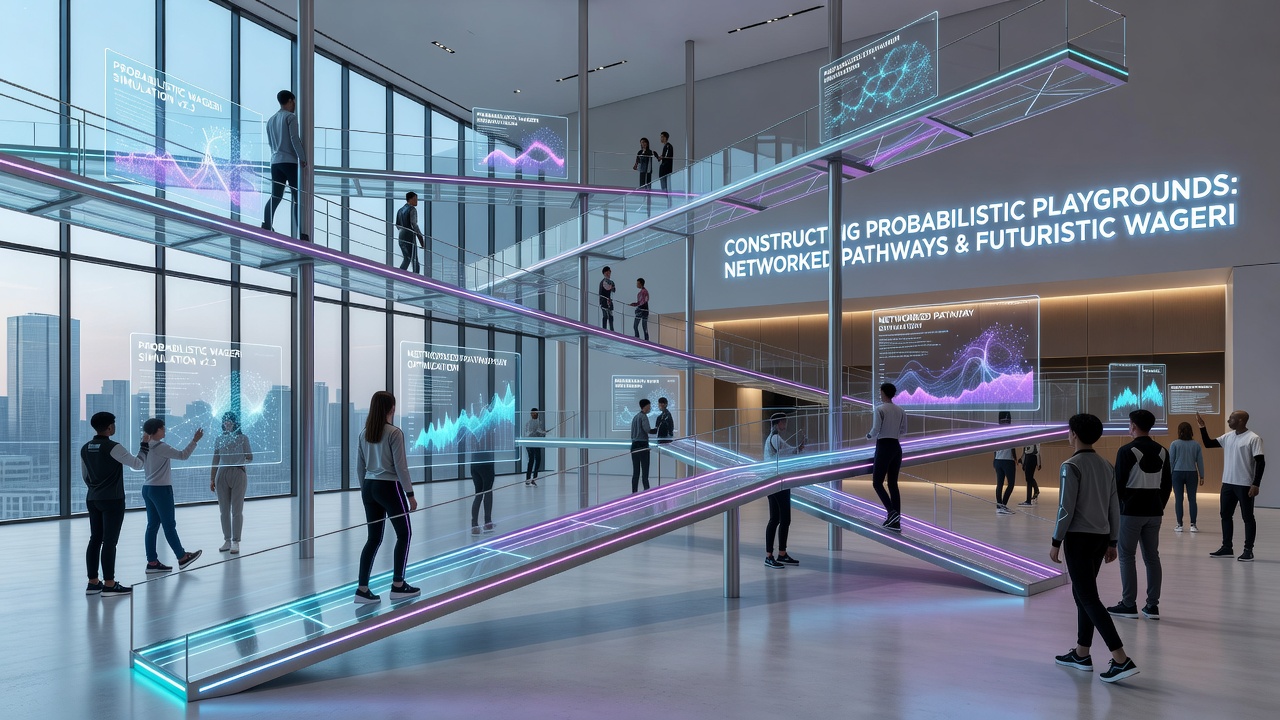
Networked pathways function as the foundational infrastructure that assembles and maintains large-scale collections of probability-driven games across digital platforms, where data routing protocols direct users through layered access points while aggregating content from dispersed sources into unified libraries. These systems operate through continuous synchronization of server nodes, API integrations, and algorithmic prioritization that match game offerings with user profiles in real time. Observers note that such architectures have expanded significantly since the early 2020s, enabling platforms to incorporate emerging formats like augmented reality simulations and AI-generated scenarios without rebuilding core databases from scratch.
Mechanics of Pathway Construction
Engineers design these pathways using graph-based models where each node represents a game instance or content provider, and edges denote secure redirect channels that preserve session continuity and regulatory compliance across jurisdictions. Data packets travel along optimized routes that minimize latency while logging transaction details for audit purposes, and this structure supports dynamic updates when new titles enter the ecosystem. Researchers at institutions tracking digital gaming trends have documented how precision routing reduces redundancy in collections, allowing operators to maintain thousands of distinct entries through automated indexing rather than manual curation.
Integration of Advanced Technologies
By October 2026, several platforms had incorporated quantum-resistant encryption into their pathway frameworks, which strengthened protection for user data streams traveling between regional servers and central aggregation hubs. This development coincided with broader adoption of machine learning modules that predict collection gaps based on historical access patterns, then trigger automated acquisition of supplementary games through partner networks. Industry reports indicate that these enhancements have streamlined the process of populating futuristic wagering libraries with content categories such as virtual reality table variants and procedural narrative adventures, all while maintaining separation between different regulatory environments.
Regional Variations in Network Deployment
European operators have emphasized cross-border pathway standardization under frameworks established by the European Gaming and Betting Association, whereas Australian systems prioritize integration with local payment gateways and harm-minimization tools according to guidelines from the Australian Gambling Research Centre. In North America, state-level implementations vary, with some jurisdictions requiring explicit audit trails on every redirect hop to ensure transparency. These differences create distinct collection profiles: one region might feature heavier emphasis on sports probability modules, while another leans toward interactive chance-based entertainment drawn from international suppliers.
Take one case where a mid-sized platform expanded its archive by linking to specialized content farms in Asia, and the networked connections allowed seamless addition of over 400 new entries within weeks without disrupting existing user flows. Studies from university gaming laboratories have shown that such expansions correlate with measurable increases in session duration when pathways adapt in response to real-time demand signals.
Future Trajectory of Collection Assembly
Analysts project continued refinement of these structures through greater reliance on decentralized ledger technologies that verify game authenticity at each network junction, thereby reducing risks associated with counterfeit or unapproved titles entering curated sets. Government agencies in Canada have released position papers outlining potential standards for pathway interoperability that could further unify collections across provincial lines by late 2027. The result is an environment where operators build expansive probabilistic playgrounds not through isolated development but through orchestrated connectivity that draws from global pools while respecting localized constraints.
Conclusion
Networked pathways continue to shape how futuristic wagering collections form and evolve, relying on technical precision and regulatory alignment to deliver diverse, accessible libraries to end users. Data from multiple sources confirms their role in scaling operations efficiently across changing technological and legal landscapes.