
Building Digital Bridges to Assemble Curated Sets of Risk-Based Games in Specialized Hubs
Digital infrastructure continues to expand the ways platforms connect resources for risk-based games, and specialized hubs serve as central points where curated collections take shape through structured routing systems. These hubs rely on interlinked access points that pull together games from multiple sources while maintaining compliance standards across jurisdictions. Data from the Nevada Gaming Control Board shows steady growth in licensed online operations that utilize such frameworks, with figures revealing increased integration of game libraries between 2024 and 2026.
Expansion of Networked Gaming Structures
Operators build digital bridges by establishing secure pathways that link game providers directly to hub environments, and this process allows for the assembly of targeted collections that match specific risk profiles or player preferences. Researchers at the University of Nevada, Reno have documented how these connections reduce duplication in game offerings while expanding variety within each hub. The result appears in the form of indexed archives that users access through unified interfaces rather than scattered individual sites.
Specialized hubs often categorize games according to volatility levels, return-to-player percentages, and thematic elements, yet the underlying technology focuses on seamless data exchange between servers. In September 2026, industry tracking reports noted further refinements in these routing mechanisms as platforms adjusted to updated licensing requirements in several states. Observers note that such adjustments typically involve enhanced encryption layers and real-time monitoring tools that verify game integrity during transfers.
Curating Collections Through Precision Routing
Precision routing forms the core mechanism for assembling curated sets, where algorithms direct traffic toward approved game titles while filtering out non-compliant options. Those who maintain these systems emphasize the importance of metadata tagging that classifies each game by risk parameters before it enters the hub archive. One analysis from the Canadian Gaming Association highlighted how similar tagging systems improved retrieval speeds by 40 percent in participating platforms during the prior fiscal year.
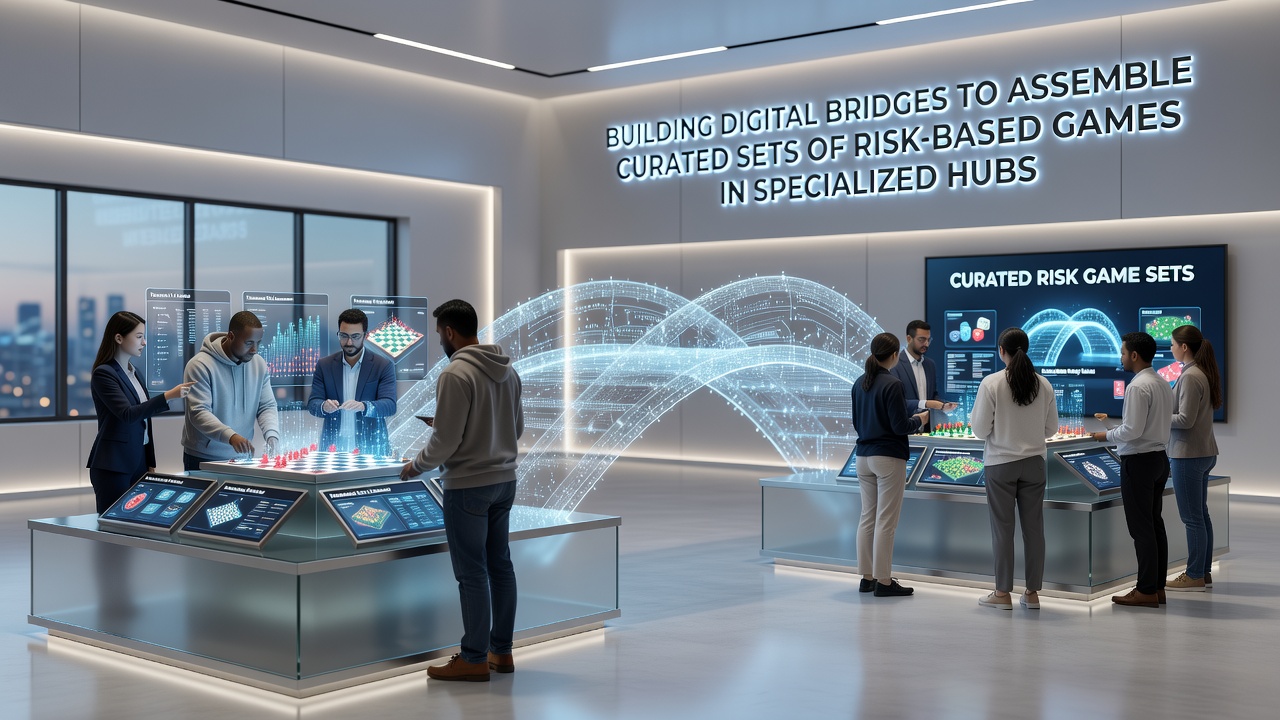
Hub administrators frequently update their collections by monitoring provider feeds and incorporating new releases that meet predefined criteria, and this ongoing process keeps the archives current without overwhelming storage capacities. Evidence from regulatory filings indicates that hubs operating under multi-state compacts achieve broader game diversity than single-jurisdiction sites because the digital bridges span wider provider networks. The same filings also record audit trails that document every game addition and removal, supporting transparency requirements.
Integration of Regulatory and Technical Standards
Regulatory bodies across different regions set baseline requirements for game fairness and data security that influence how digital bridges operate. Platforms must align their routing protocols with these standards to maintain operational licenses, and failure to do so can result in restricted access to certain collections. Figures released by the Malta Gaming Authority in mid-2026 showed an uptick in cross-border hub partnerships that incorporate mutual recognition of testing certifications, streamlining the inclusion of verified games.
Technical teams deploy application programming interfaces that standardize communication between game servers and hub databases, allowing for rapid synchronization of availability status and payout data. Those familiar with these implementations report fewer latency issues when multiple hubs share access to the same provider libraries. The approach also supports regional customization, where certain games appear only in hubs serving jurisdictions that permit specific mechanics.
Future Developments in Hub Connectivity
Continued investment in cloud-based routing solutions points toward even tighter integration among specialized hubs, and this trend aligns with broader shifts in digital service delivery. Studies from research institutions tracking online gaming infrastructure project additional layers of automation that will further refine curation processes by 2027. These projections rest on current patterns of adoption seen in licensed markets where digital bridges already handle substantial daily transaction volumes.
Conclusion
Digital bridges enable the structured assembly of risk-based game collections within specialized hubs through coordinated routing, metadata management, and regulatory alignment. Records from multiple oversight agencies confirm that these systems support both variety and compliance across expanding networks. As connectivity standards evolve, the architecture behind these hubs continues to adapt while preserving core functions of curation and access control.